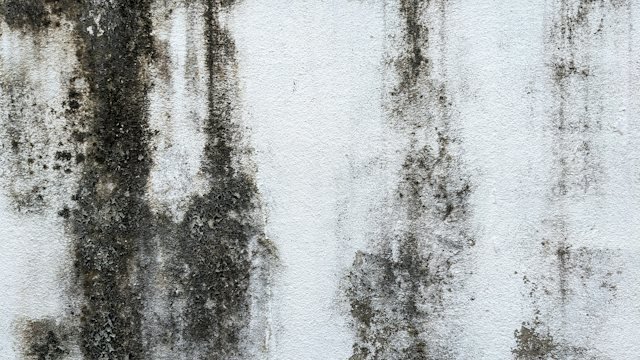
Duct mould inspection
Camera survey of the ductwork, the plenum and the return, photographed and documented. You get findings whether or not you then book work with us.
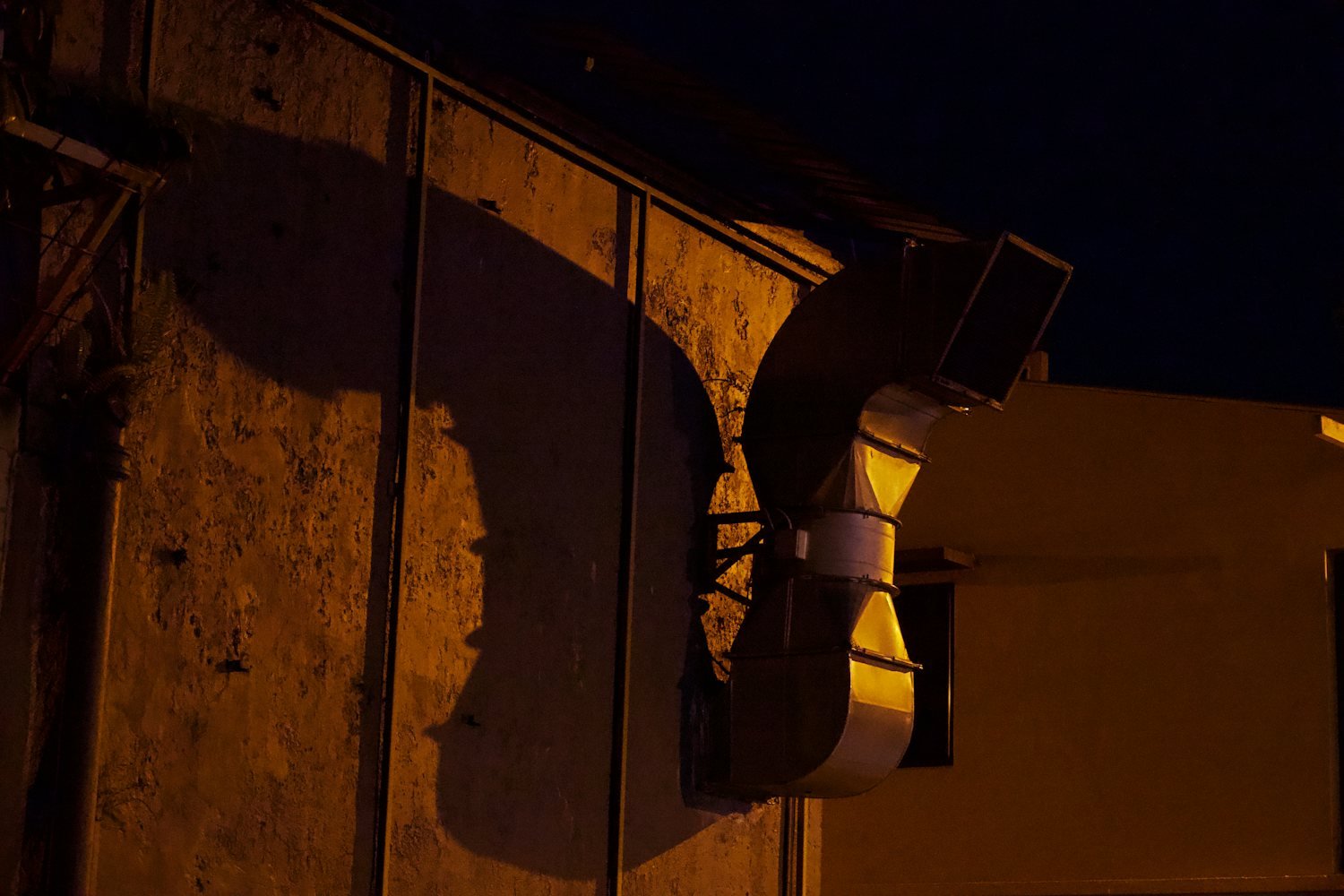
We inspect and report before anyone quotes a clean. Sometimes the answer is remediation, sometimes it is a roof leak above the duct, and occasionally it is nothing at all.
Spraying a duct that is wet because of a roof leak achieves nothing except a fortnight of a different smell. The inspection comes first for a reason.
Camera survey of the ductwork, the plenum and the return, photographed and documented. You get findings whether or not you then book work with us.
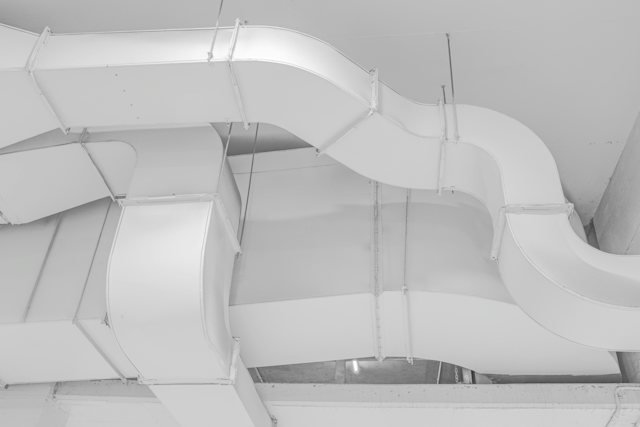
Mould in a duct is a symptom. Roof leaks, condensation on uninsulated runs and a plenum sitting in a damp subfloor are the usual causes, and cleaning without fixing them buys you months.
Removal and treatment of affected sections, and replacement where flexible duct is too far gone to be cleaned. Quoted after the inspection, never before.
A written report with photographs, locations and recommendations — the document you need for a landlord, an insurer or a sale.
Before you buy a house with ducted heating you have never seen inside. Cheaper than discovering it in the first cold week after settlement.

Where identifying the species actually changes the response, we arrange sampling through an accredited lab. We do not run those tests ourselves and we do not pretend to.
A smell, a stain near an outlet, symptoms that track with the heating being on. What you have noticed narrows where we look.
Camera through the system, plus the roof space and subfloor where the ductwork runs. The cause is usually outside the duct.
Where it is, how far it runs, what is likely causing it, and what each option would cost. Yours to keep regardless of what you do next.
Affected sections treated or replaced. We do not treat clean duct to round out an invoice.
Mould is frightening, which makes it profitable. These are the claims we would want you to push back on — ours included.
Each city has its own team, its own address and its own number. Ring the one nearest you.
Not reliably, and we will not pretend otherwise. Visual assessment tells us there is growth, roughly how extensive it is and where it sits. If identifying the species would change what you do, that requires sampling through an accredited laboratory, which we can arrange.
We are not qualified to answer that and nobody in this trade is. What we can do is document what is there and remove it. If people in the house are unwell, that is a conversation with a GP, not with a duct cleaner.
Because roughly a third of the jobs we look at have a cause outside the duct — a roof leak, condensation on an uninsulated run, a plenum in a damp subfloor. Cleaning those without fixing the water is money you spend twice.
Always, and you keep it whether or not you use us for the work. Photographs with locations, findings, likely cause and the options with costs. It is the document agents and insurers ask for.
That is what most of our reports are for. They are written to be read by someone who was not there, with photographs referenced to locations rather than a general description.
Yes, where the inspection supports it. But if you simply want a routine clean with no mould concern, a standard duct cleaning service will do it for less than we will.
An inspection and a written report. What you do next is a separate decision.
Our locations